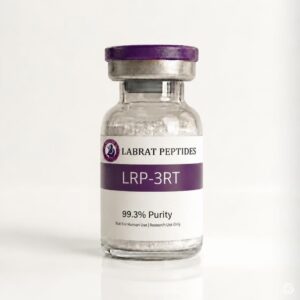
FOR RESEARCH SCIENTIFIC STUDIES ONLY.
Every batch of Labrat Peptides undergoes third-party Mass Spectrometry and HPLC analysis. We believe in absolute transparency - since in third-party marketing we need complete confidence.
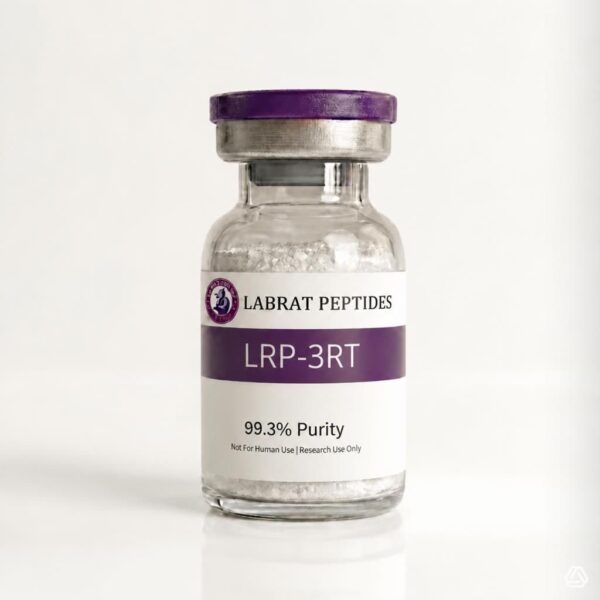
LRP-3RT is a proprietary laboratory research material supplied for controlled scientific investigation, analytical testing, material characterization, biochemical research, and educational laboratory applications.
The material is provided in a defined quantity for qualified laboratory environments. Researchers should review the applicable product documentation, product labeling, and batch-specific analytical records before incorporating LRP-3RT into an experimental or analytical workflow.
LRP-3RT is designated for Research Use Only (RUO). It is supplied exclusively for laboratory research and scientific investigation.
Researchers can explore additional materials through the Research Peptides Collection and access educational resources through the LabRat Peptides Research Hub.
LRP-3RT is supplied as a defined laboratory research material intended for controlled scientific investigation and analytical workflows.
The proprietary catalog designation provides laboratories with a consistent product reference for research documentation, inventory management, batch tracking, and laboratory records.
Depending on the objectives of a research project, LRP-3RT may be considered within laboratory workflows involving:
The appropriate application depends on the research objective, experimental methodology, laboratory environment, applicable documentation, and procedures established by the responsible research organization.
Researchers conducting scientific literature reviews can consult established scientific resources such as PubMed and NCBI when reviewing background information relevant to laboratory research.
| Specification | Information |
|---|---|
| Product Name | LRP-3RT |
| Product Type | Laboratory research material |
| Available Quantities | 5MG, 10MG, 20MG, 30MG, 50MG, 100MG |
| Classification | Research Use Only (RUO) |
| Application | Scientific and analytical research |
| Documentation | Batch-specific documentation where applicable |
| Packaging | Laboratory research packaging |
| Catalog Designation | LRP-3RT |
Researchers should verify the product label and applicable batch documentation for the exact specifications associated with the material received.
Generic product information should not be treated as a substitute for batch-specific analytical documentation.
The LRP-3RT research material is supplied for qualified laboratory environments where clearly identified research materials are required for controlled scientific workflows.
Relevant research characteristics include:
The characteristics evaluated during laboratory investigation may depend on the experimental design and analytical methodology selected by the responsible research organization.
Researchers should establish appropriate controls, documentation, and analytical procedures according to their individual research requirements.
Laboratories may evaluate LRP-3RT using appropriate analytical techniques to investigate material identity, purity, molecular characteristics, sample integrity, and other relevant analytical properties.
Potential analytical approaches may include:
The appropriate analytical methodology depends on the laboratory's validated procedures, available instrumentation, and research objectives.
Analytical results should be interpreted according to the methodology, reference standards, experimental controls, and conditions under which testing was performed.
Material characterization can form an important part of laboratory research involving defined research materials.
Researchers may investigate:
Researchers should maintain appropriate records connecting analytical observations with the specific batch or lot being evaluated.
LRP-3RT may be incorporated into appropriately designed biochemical research workflows where investigators are evaluating molecular interactions, experimental responses, analytical characteristics, or related laboratory parameters.
Biochemical research may involve controlled laboratory models, analytical assays, comparative testing, or other methodologies selected according to the objectives of the research project.
Laboratories working with research peptide materials may investigate characteristics such as:
Research conclusions should be based on the specific experimental model and analytical evidence generated during the investigation.
Analytical testing can provide information about the characteristics of a research material and can support laboratory documentation and quality-control workflows.
Depending on the research objective, laboratories may use chromatographic and mass-spectrometric techniques to investigate the supplied material.
High-performance liquid chromatography may be used as part of analytical characterization and purity assessment workflows.
Reverse-phase chromatography can provide an analytical approach for evaluating peptide-related research materials under validated laboratory conditions.
Liquid chromatography coupled with mass spectrometry can provide information relevant to molecular characterization and analytical investigation.
Mass spectrometric techniques may be used to investigate molecular-mass characteristics and support material identification workflows.
The selection of analytical methodology should be determined by qualified laboratory personnel based on the objectives and requirements of the specific research project.
A batch-specific Certificate of Analysis (COA), where available, provides analytical information relating to the specific research material supplied.
Depending on the applicable testing program, documentation may include:
Researchers should ensure that the documentation corresponds to the exact batch received.
Batch-specific analytical documentation should take precedence over generic product-level information when laboratories are conducting analytical evaluations or maintaining research records.
Additional documentation can be reviewed through the LabRat Peptides COA Database.
Traceability is an important component of laboratory research documentation.
Researchers working with LRP-3RT should maintain records that connect the research material to its applicable product and batch information.
Laboratory records may include:
Maintaining consistent records can help laboratories identify the specific material associated with analytical observations and experimental documentation.
Stability evaluation can form part of research workflows involving laboratory materials.
Researchers may design controlled studies to evaluate material characteristics under defined laboratory conditions.
Potential research considerations may include:
Any stability investigation should be performed using an appropriately designed experimental methodology.
Researchers should rely on product-specific documentation for applicable storage requirements rather than assuming that generic storage conditions apply to every research material.
For additional educational information, researchers can explore the LabRat Peptides Research Hub.
Comparative laboratory research can involve evaluating research materials using consistent analytical methodologies.
Depending on the research objective, laboratories may compare:
Comparative testing should use appropriate controls and consistent analytical procedures so that observations can be interpreted within the context of the experimental design.
Research involving LRP-3RT should be conducted according to established laboratory practices and the requirements of the responsible research organization.
Depending on the project, researchers may establish procedures covering:
The exact methodology should be determined by appropriately trained researchers based on the requirements of the individual investigation.
LRP-3RT should be stored and handled according to the applicable product documentation and established laboratory procedures.
General considerations may include:
Specific storage requirements may vary according to the material, packaging, and applicable documentation.
Researchers should therefore consult the product-specific information supplied with the material before establishing storage procedures.
LRP-3RT should be handled by appropriately trained laboratory personnel in a suitable research environment.
Laboratories should maintain appropriate procedures covering:
Researchers should follow institutional safety procedures, applicable regulations, product-specific documentation, and established laboratory protocols when handling research materials.
The appropriate safety procedures depend on the characteristics of the material and the laboratory environment in which the research is performed.
Good documentation practices support laboratory traceability and reproducibility.
Researchers working with LRP-3RT should maintain appropriate records relating to:
Accurate documentation helps laboratories maintain consistent research workflows and allows analytical observations to be associated with the appropriate research material.
Quality-control procedures can help laboratories maintain consistent research practices.
Depending on the research environment, quality-control activities may include:
The appropriate quality-control process should be established by the responsible research organization according to its internal laboratory requirements.
Generic product descriptions should not replace validated laboratory procedures or batch-specific analytical records.
Researchers investigating laboratory materials may consult peer-reviewed literature and established scientific databases to understand broader research methodologies and analytical approaches.
Useful resources include:
These resources provide independent scientific information and can assist researchers when conducting literature reviews.
Published information should be interpreted according to the specific experimental model, methodology, material characteristics, and limitations of each study.
LabRat Peptides provides research materials for qualified scientific and analytical environments.
The LRP-3RT catalog listing emphasizes:
Researchers can explore the complete Research Peptides Collection for additional laboratory research materials.
LRP-3RT is a proprietary LabRat Peptides catalog name for a laboratory research material supplied for controlled scientific investigation, analytical testing, material characterization, biochemical research, and related laboratory applications.
Available quantities include 5MG, 10MG, 20MG, 30MG, 50MG, and 100MG. Researchers should verify the product label and applicable batch documentation associated with the material received.
LRP-3RT is supplied for controlled laboratory research, analytical testing, material characterization, biochemical investigation, and scientific research.
The appropriate application depends on the research objectives and procedures established by the responsible laboratory.
Laboratories may use appropriate analytical methods such as HPLC, reverse-phase HPLC, LC-MS, mass spectrometry, and other validated techniques depending on the research objective.
Where available, batch-specific documentation can be accessed through the LabRat Peptides COA Database.
Researchers should verify that the documentation corresponds to the specific batch received.
Researchers should follow the storage information supplied with the applicable product and batch documentation.
Storage requirements may vary according to the material, packaging, and applicable laboratory conditions.
The product is supplied as a laboratory research material and may be evaluated through appropriate analytical workflows according to the requirements of the responsible research laboratory.
Additional laboratory materials are available through the LabRat Peptides Research Peptides Collection.
Researchers can visit the LabRat Peptides Research Hub for additional educational material relating to laboratory research, analytical methods, research materials, and scientific investigation.
Researchers investigating peptide science, analytical characterization, biochemical research, laboratory methodologies, and material analysis can explore the LabRat Peptides Research Collection.
Additional educational resources are available through the LabRat Peptides Research Hub.
Researchers can also review batch-specific documentation through the LabRat Peptides COA Database.
LRP-3RT is supplied exclusively for laboratory research, analytical testing, scientific investigation, material characterization, and educational laboratory applications.
It is intended solely for qualified researchers conducting controlled experimental work within appropriate laboratory environments.
LabRat Peptides does not provide medical advice or make therapeutic claims regarding this research material. Information presented on this page is provided for scientific and educational reference purposes.
Researchers are responsible for handling, storing, documenting, and evaluating laboratory materials according to applicable institutional guidelines, laboratory procedures, and regulations.
FOR RESEARCH USE ONLY.
LRP-3RT is supplied as a laboratory research material for controlled scientific investigation, analytical testing, material characterization, biochemical research, and related research applications.
The information presented on this page is provided for scientific and educational purposes only. It does not constitute medical advice, treatment recommendations, dosing instructions, or instructions for administration.
Researchers and institutions are responsible for ensuring that research materials are handled, stored, documented, and used according to applicable laws, regulations, institutional requirements, laboratory procedures, and approved research protocols.
| Sequence | Available on COA |
| Appearance | White Lyophilized Powder |
| Mol. Weight | 1419.6 g/mol |
| Purity | 99.2% |
| Storage | -20°C or below |
| SKU | LRP-3RT |